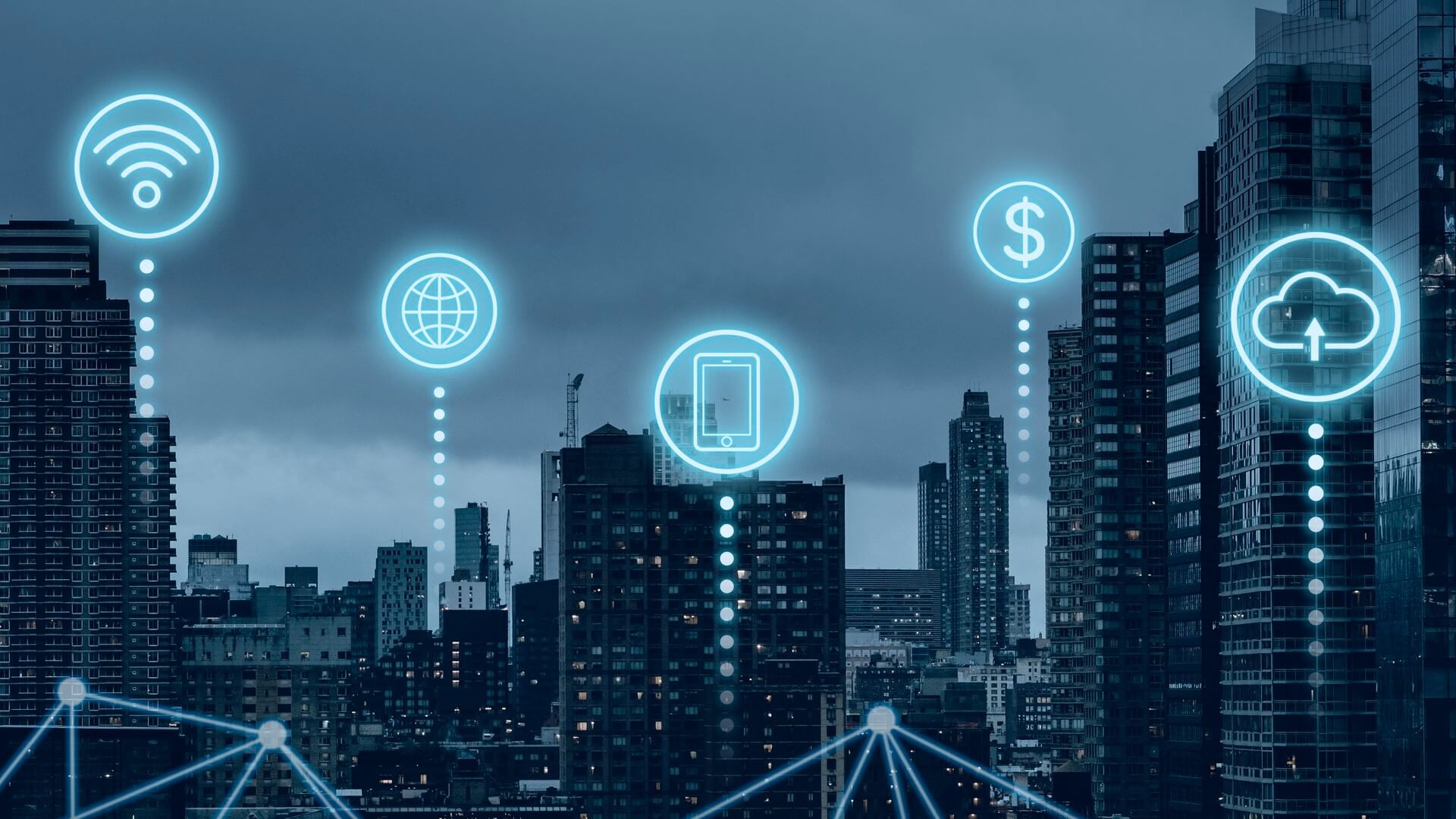
Sherwood's IT department has so far installed advanced IoT devices along the Las Vegas Strip, on a handful of adjacent streets, and at more than 150 intersections from the airport to Fremont Street.
Devices offer significant benefits to businesses and consumers by collecting and processing large volumes of real-time data. However, this massive data collection and management also presents a unique set of challenges.
Seventy percent of respondents expect a return on their investment within one year, while for another 30 percent, a return on investment within six months is desired.
While we often think of the Internet of Things as having an important place in commercial and industrial settings, it is also being widely adopted in a variety of public institutions such as museums and galleries.
The Internet of Things is an extension of the Internet, which aims to make everything connected. Since it is an extension of the Internet, let's start with the Internet we are familiar with. What we usually call the Internet is actually a huge network that connects all computers together. As long as the equipment connected to the Internet can exchange information with each other.
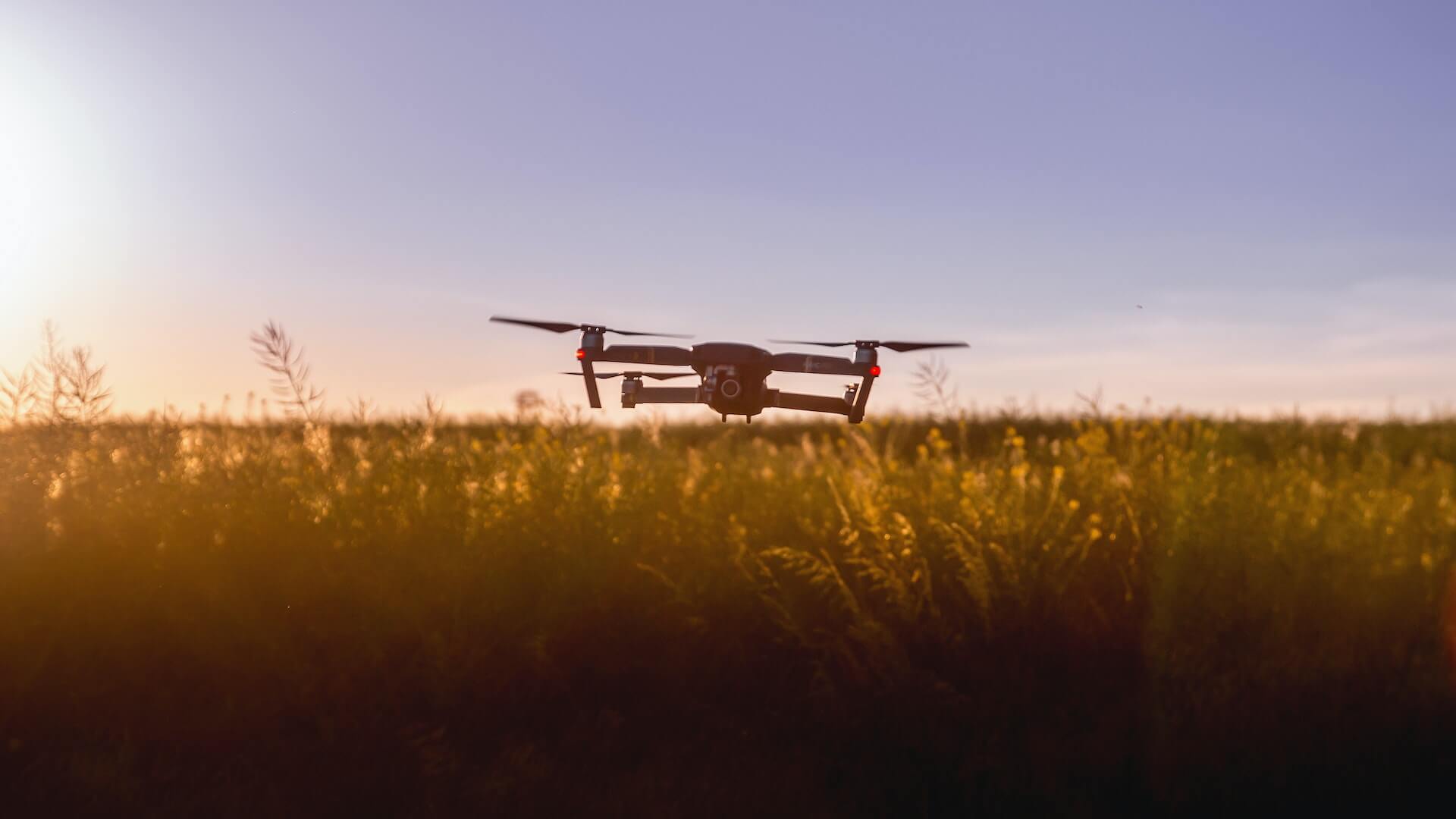
The Internet of Things has already brought great advances to many industries, including construction, health and education. Agriculture, of course, is no exception.
The composition structure of cloud computing, including infrastructure, cloud computing operating system, product system (including security and compliance, monitoring and management), solution system, and service system.
The data grid can overcome many challenges inherent in big data by driving higher levels of autonomy and data engineering alliances among a wider range of stakeholders. However, big data is not a panacea, it brings a series of risks for enterprises to manage.
It is almost certain that the rise of self-driving cars will usher in an era of carpooling for all, meaning that the immediate need for cars will decline and fewer people will need (or want) to own them.