Cloud platform is a cloud computing platform, which refers to a computing service platform based on cloud computing technology for providing flexible, scalable and shareable computing resources and system services.
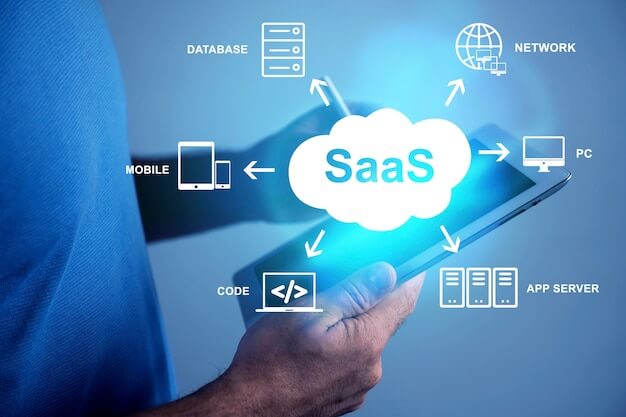
In a business environment, SaaS is an optimal alternative to local services (traditional methods), which require server creation, application installation, and configuration.
Cloud providers have different options for cloud-based infrastructure, and organizations that choose a cloud provider must understand and be comfortable with how they interact with and manage their environment.
Data scientists must move data from central servers to their systems for analysis, a time-consuming and complex process. Cloud computing has revolutionized the way organizations handle data by eliminating the need for physical servers and providing on-demand, scalable resources.
What is cloud computing? As Intel founder Gordon Moore once said, "The number of transistors that can be accommodated on integrated circuits will double every two years.". In other words, processor performance doubles every two years. With such rapid development, the cost of hardware is getting lower and lower, and a single enterprise can afford a large number of servers.
Cloud computing offers different service models, including Infrastructure as a Service (IaaS), Platform as a Service (PaaS), and Software as a Service (SaaS)
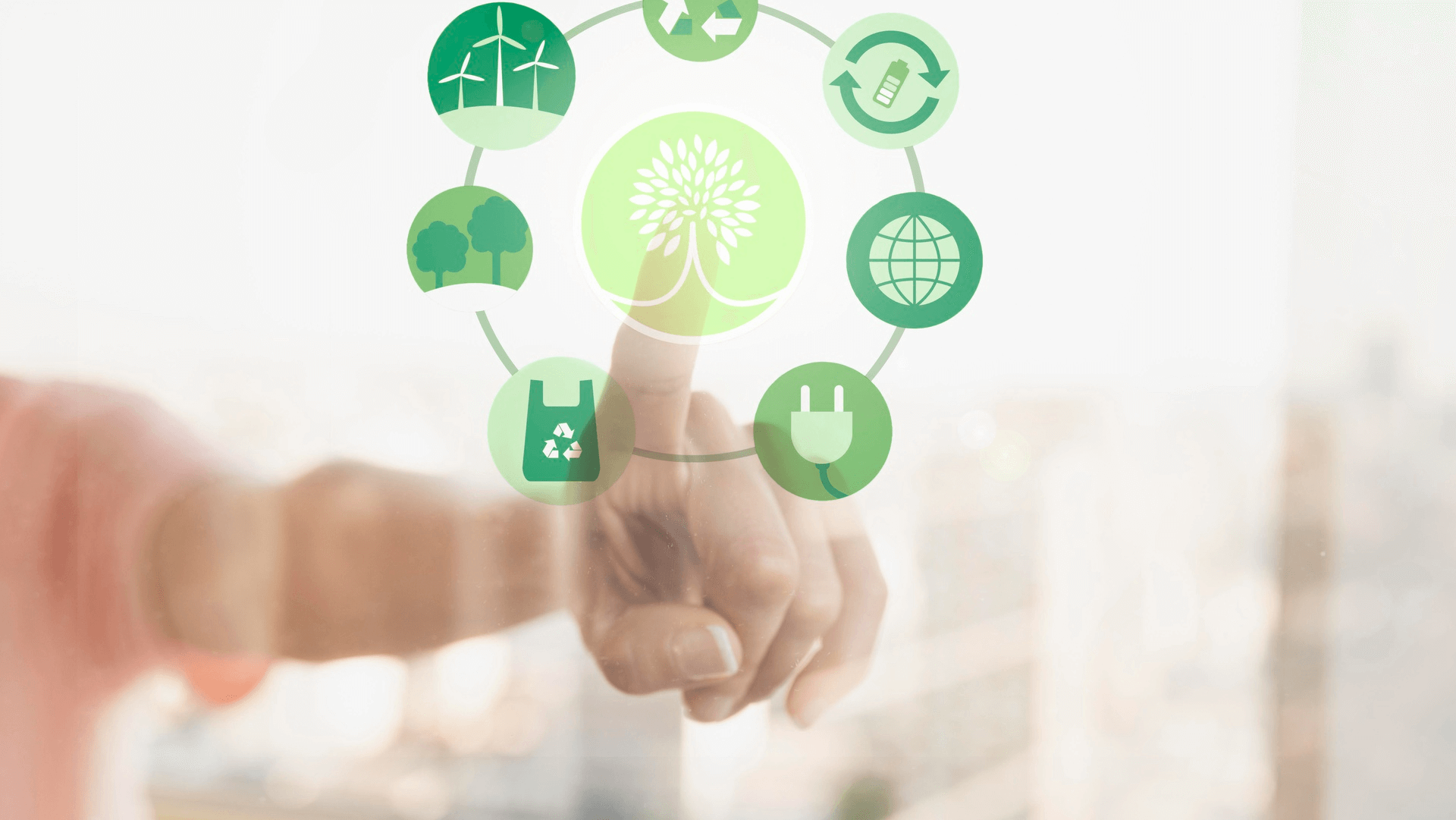
Whether it is a public or private cloud, the intended value of the cloud can only be realized if it is used wisely. To make use of cloud computing IT infrastructure more "green", the following seven aspects are very important.
Some people may wonder what is the most important reason that IT organizations should consider when migrating to cloud computing. For those companies that have just embarked on the cloud journey, here are four of the most important reasons.
Cloud computing has revolutionized IT infrastructure, eliminated hardware and software costs, and allowed customers to access these resources through the Internet. Cloud computing resources include physical and virtual services, applications, data storage, development tools, artificial intelligence services and virtual machines.
The Cloud Security Alliance, together with HP, has listed the top seven threats to cloud computing, based largely on the results of a survey of 29 enterprises, technology vendors and consulting firms.
The Internet of Things (IOT) allows networked devices to share data and provides e-commerce operators with similar networking platforms. Therefore, using the system based on the Internet of Things, e-commerce enterprises can more easily collect data and trigger real-time operations or responses.
In commercial buildings, IoT devices are often any device used to manage facilities or improve operational efficiency and productivity, including smart sensors, smart locks, smart thermostats, smart HVAC, smart lighting and smart security.
The rights highlighted by the AI-free sanctuary will promote the advancement of AI technology while protecting the cognitive and emotional capabilities of all humans.
If you have ever encountered a situation where your phone automatically shuts down when there is still 20% battery left, the following possible explanations may answer your questions.
When executives hear the term "big data", they naturally think of an amazing amount of available data. This data comes from e-commerce and omni channel marketing, or from connected devices on the Internet of Things, or from applications that generate more detailed information about trading activities.
When the core of cloud computing system computing and processing is a large amount of data storage and management, the cloud computing system needs to be configured with a large number of storage devices, then the cloud computing system is transformed into a cloud storage system